%3Aformat(webp)%2Fhubspot_blogs%2F9422319053-hanami960x4501.png&w=1920&q=75)
The best times to visit Japan are spring (late March–April) for cherry blossoms and autumn (October–November) for golden foliage; for fewer crowds, target late May or early October.
From the snowy landscapes of the north to the mild, subtropical south, the Japanese archipelago offers an ever-changing tapestry of climates. Whether you’re drawn to cooler days, vibrant spring blossoms, or the warm embrace of summer, there’s a perfect moment to explore.
For travellers who appreciate discovering a destination in comfort and in good company, Japan’s distinct seasons each bring something special—be it serene gardens, festive local events, or breathtaking natural scenery. Below, you’ll find guidance on the weather and the key seasonal highlights to help you choose the time of year that suits you best.
The seasons of Japan
Japan experiences the same four seasons as the UK, though sometimes with greater intensity.
Spring runs from March to April, bringing mild weather and the famous cherry blossoms. It’s a time of festivals celebrating the arrival of the new season. Ideal for leisurely walks and sightseeing, spring offers beautifully blossoming landscapes in both cities and the countryside. However, it is also the busiest travel period of the year — for both Japanese travellers and visitors from abroad.
The last two weeks of May are a particularly good choice, as most Japanese families are not on holiday at that time.
Summer in Japan, from May to August, is hot and humid. Many firework displays take place along the waterfront. It’s a lively festival season, where you’ll hear the distinctive song of cicadas while enjoying Japanese treats perfect for the heat: shaved ice, watermelon, and refreshing cold noodles!
It’s worth noting that the rainy season falls in June–July, while the typhoon season occurs in September–October. After a typhoon passes, you can look forward to beautiful weather and clear blue skies!
Autumn begins in September and ends in November. Temperatures are pleasant, and the foliage turns brilliant shades of red and gold in the parks, on the hillsides, and around the temples. Alongside spring, autumn is one of the best seasons for woodland and mountain walks. You’ll also find fewer visitors than in spring. During the first half of October, Japanese families are not on holiday, and the typhoon season has ended. You can expect dry weather — and therefore very few crowds.
Winter in Japan, from December to February, is cold and dry. The skies are clear, and thanks to the country’s many microclimates, you can enjoy a wide variety of winter landscapes. Kyoto is especially beautiful under the snow. It is also the quietest season for tourism.
%3Aformat(webp)%2Fhubspot_blogs%2F9422319053-kyotowinter960x450.png&w=1920&q=75)
Find your season
The Climate in Japan
Thanks to its long, slender shape stretching from north to south, Japan offers remarkably varied climates depending on where you are in the country.
In Hokkaido and the northern part of Honshu, the main island, the climate is temperate, with mild summers and very cold winters marked by regular snowfall.
Central and eastern Honshu, home to Tokyo, Kyoto and Osaka, experiences a humid subtropical climate. Winters here tend to be mild and dry, while summers are hot and humid.
Further south, in southern Honshu as well as the islands of Shikoku and Kyushu, the climate becomes temperate again. Autumn and winter are pleasantly mild, while summer feels more tropical.
The Okinawa Islands, Japan’s southernmost region, enjoy a fully tropical climate, with warmer average temperatures than anywhere else in the country.
Events in Japan
In Japan, events and traditions take place throughout the year.
During the night of 3–4 February, the country celebrates Setsubun. Japanese families throw “magic” roasted soybeans to invite good fortune and drive away misfortune and evil spirits — a tradition known as Mame-Maki. It marks the arrival of spring according to the old lunar calendar.
%3Aformat(webp)%2Fhubspot_blogs%2F9422319053-setsubun950x450.png&w=1920&q=75)
Setsubun - GetHiroshima.com : Flickr
In March and April, Hanami — literally “looking at the flowers” — marks the season of blossom, especially the cherry trees known as sakura. A true celebration of nature, Hanami is the perfect moment to admire flowers as they come into full bloom. In Japanese parks and gardens, a magnificent spectacle unfolds at this time of year.
In early May, Japan observes Golden Week, a series of four national holidays. Many Japanese families take time off, schools and universities close, and businesses operate with reduced staff. It is an impressive and very busy period throughout the country.
%3Aformat(webp)%2Fhubspot_blogs%2F9422319053-goldenweek960x450.jpg&w=1920&q=75)
The preparations for Golden week - Okinawa Soba (Rob) : Flickr
In August, several firework festivals known as Hanabi take place. These events can attract more than a million spectators in Tokyo alone. It’s a beloved summer tradition, showcasing fireworks famous for their spherical shapes and elegant simplicity.
In September, the Tokyo Game Show is a major video-game exhibition held every year in Chiba. Organised by the Computer Entertainment Supplier’s Association (CESA), it has existed since 1996 and was held twice a year until 2002. Today, the Tokyo Game Show brings together more than 600 exhibitors and welcomes over 270,000 visitors.
In November, the Sumo Tournament in Fukuoka takes place — the final tournament of the year. Sumo tournaments are quite rare, with only six held annually, always in odd-numbered months. Sumo, literally “to strike each other,” is a traditional Japanese form of wrestling that remains popular across the country, even if football and baseball increasingly compete for attention.
Japan transforms from season to season, offering its own distinctive landscapes and unique events throughout the year. It’s a wonderful destination to discover at any time. Now that you have all the key information, when will you choose to travel to Japan ?
Upcoming departures to Japan
Get in touch!
Proven Quality. Trusted by 100,000+ Travellers

Customer Satisfaction
Japaventura tours have been rated as excellent by travellers
%3Aformat(webp)%2Fe7209c14-91b8-45db-adf7-23e2e7465143-ventura-travel-icon.png&w=1920&q=75)
A trusted travel partner for over 2 decades
Over 100,000 people have travelled with Ventura Travel's brands since 2001

Sustainability Certification – TourCert
As a responsible Tour Operator, we are certified by TourCert
%3Aformat(webp)%2Fimg%2F2048x1536%2F302839.jpg&w=1920&q=75)
%3Aformat(webp)%2Fhubspot_blogs%2F7494540430-270426.jpg&w=1920&q=75)
%3Aformat(webp)%2Fhighlight%2F49d9c881-a2db-427e-956e-08bab525aae3-14809814300_bec2645434_o.jpg&w=1920&q=75)
%3Aformat(webp)%2Fday_detail%2F40883ef3-9a75-4a2a-b9ca-d7170f1c0875-whatsapp-image-2025-07-16-at-08.30.39.jpeg&w=1920&q=75)
%3Aformat(webp)%2Fday_detail%2F4b2374e2-99e1-481c-9084-278276ff1302-antoine-cantoro-6y0u0wodxnw-unsplash.jpg&w=1920&q=75)
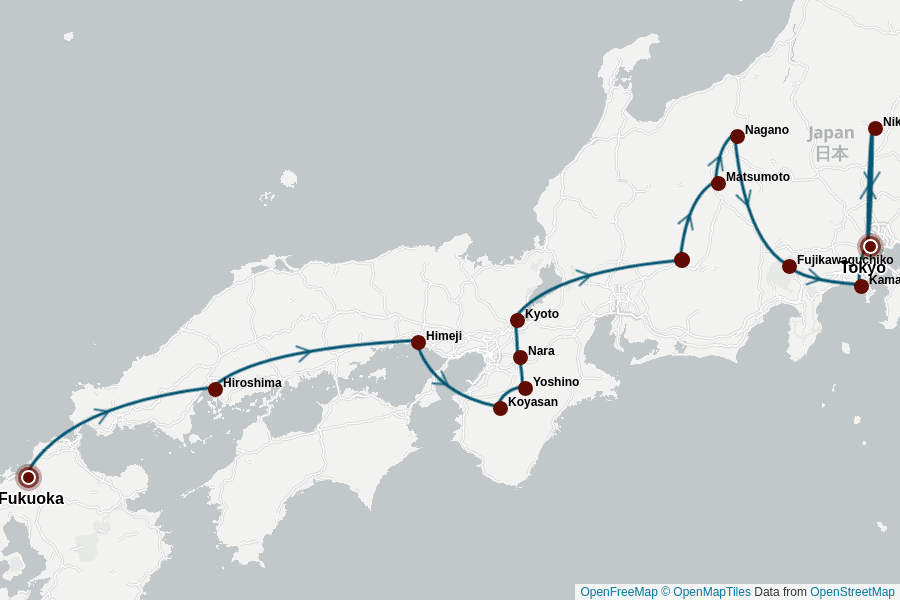
%3Aformat(webp)%2Ftravel_report_photo%2F83531%2F3b22254e-f14e-4b9a-9429-b562f2bf64a8-2F8501E7-DC9C-484F-AFAE-DE70E56B2949.jpg&w=1920&q=75)
%3Aformat(webp)%2F94126af0-449f-4709-b69c-64f044c3f720-img_3021.jpg&w=1920&q=75)
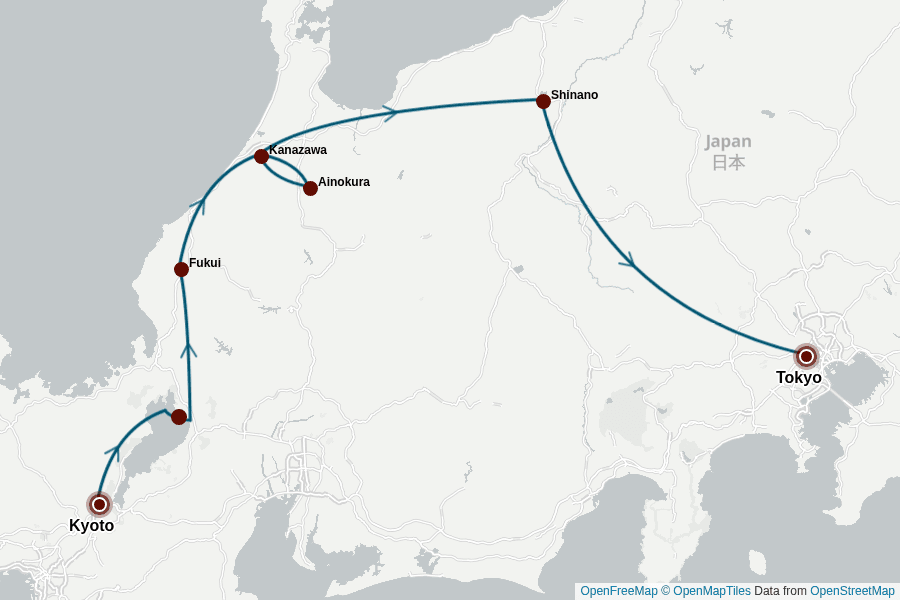
%3Aformat(webp)%2Ftravel_report_photo%2F84408%2F43c5610c-0aeb-4714-ad75-e20153e92eb7-5C9B2829-6907-46DF-ACF2-B0403BD7A419.jpg&w=1920&q=75)
%3Aformat(webp)%2Ftravel_report_photo%2F84499%2F682ade66-d4b2-419d-839b-d70480a55b9d-3d236001-6e39-4431-88d0-472c11e65cef.jpeg&w=1920&q=75)
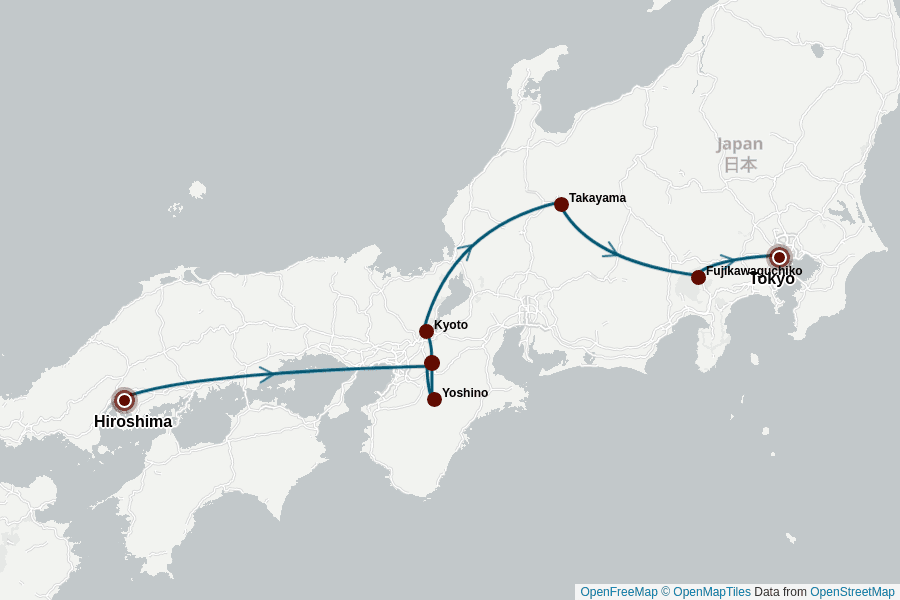
%3Aformat(webp)%2F44e78e22-2282-4f09-a975-0d1f3fca21a9-timo-volz-dgsql2j028e-unsplash.jpg&w=1920&q=75)

%3Aformat(webp)%2Ftravel_report_photo%2F82454%2F1801fc65-2b8a-463a-81ea-f3667803ca89-F3E0C42F-01A8-4E52-B4D9-DFD809199453.jpg&w=1920&q=75)
%3Aformat(webp)%2Fprofile-picture%2F5eefd57b-6c1b-49d0-8b90-eec430dbea31-dcc716ae-0681-47a9-8dee-8302ea7cbe02-c0cbebc6-a55d-4dd3-b824-4f1b72ae39b3.jpeg&w=1920&q=75)
%3Aformat(webp)%2Fhubspot_blogs%2F70794303268-3Apr11202210105536AM.png&w=1920&q=75)
%3Aformat(webp)%2Fimg%2F2048x1536%2F269723.jpg&w=1920&q=75)
%3Aformat(webp)%2Fprofile-picture%2F931d06cf-3d6a-42aa-956a-1ecce7079159-5fd74991-6c73-4f43-8298-6fda2d261d1d-7FA23F9B-A826-427F-8A4E-C1E2D3A01559.jpg&w=1920&q=75)
%3Aformat(webp)%2F6682e168-e97c-4a89-a861-88229f57d072-kanazawa-castle.jpg&w=1920&q=75)
%3Aformat(webp)%2Ftravel_report_photo%2F84516%2Fc540e5c8-bb92-40bc-8710-5554864e95b2-7AE4A5AA-176C-42E4-880D-83AA3A75EFCC.jpg&w=1920&q=75)
%3Aformat(webp)%2Fuser%2Fcbea1ea9-88d3-4e6b-a54d-83d9ff60e1fa-generated_image-2-.png&w=1920&q=75)
%3Aformat(webp)%2Fuser%2F97e51b2b-9e9d-4832-b179-05a00540180b-matthew-jones.png&w=1920&q=75)